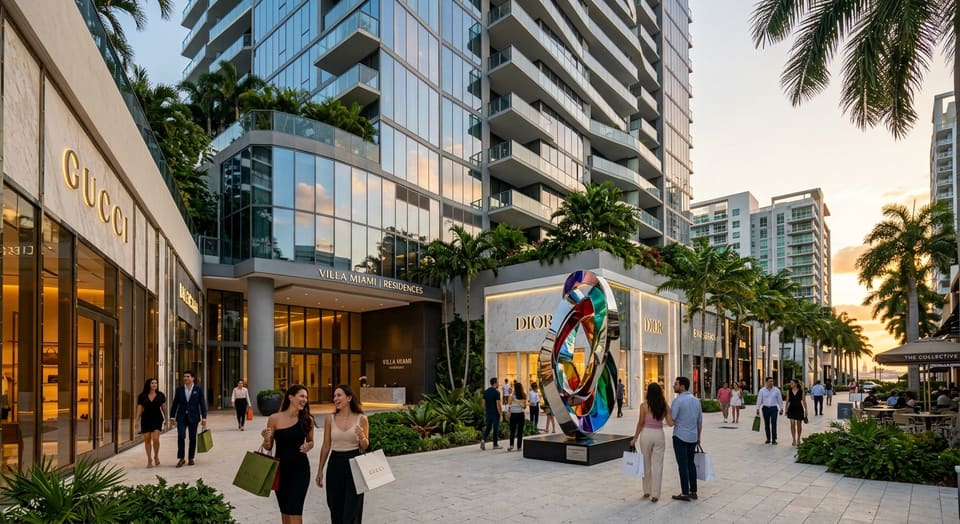
The Residential Transformation of Miami's Design District: A New Chapter in the Real Estate Boom
Miami, a city synonymous with luxury, innovation, and vibrant culture, continues to redefine its urban skyline. While attention is often focused on the imposing skyscrapers of Brickell and the glamorous nightlife of South Beach, a new epicenter is emerging, marking a significant shift in the real estate landscape: the Design District. Initially known for its exclusivity in high-end retail and its impressive collection of contemporary art, this enclave is undergoing a residential metamorphosis, with approximately 1,000 new units on the horizon, promising to inject a new dynamic into the city's real estate market.
The Residential Boom: An In-Depth Look
The plan to build around 1,000 residential units in the Design District is not merely a number; it represents a strategic shift in the district's vision. Initially conceived as a luxury shopping destination by visionary Craig Robins, the Design District has cultivated an enviable reputation thanks to the presence of iconic brands like Chanel, Bottega Veneta, Hermès, and Gucci. However, the addition of a large-scale residential component promises to transform the district into a vibrant and complete neighborhood, where living, working, and enjoying leisure time converge in a sophisticated environment.
This residential expansion is expected to attract a new wave of residents, from young professionals to affluent families and art collectors, all drawn by the unique blend of luxury, culture, and convenience offered by the Design District. The demand for this type of high-end housing is driven, in part, by the desire to live in an environment where design aesthetics, access to exclusive services, and proximity to world-class cultural institutions are paramount.
Economic Implications and the Downtown Miami Real Estate Market
The addition of 1,000 residential units in the Design District will have a considerable impact on the real estate market of Downtown Miami and its surrounding areas. One of the immediate effects could be a slight mitigation of the pressure on housing prices in the Downtown Miami luxury sector, especially in areas like Brickell. While the demand for luxury properties in Miami remains high, the new supply in the Design District could offer an attractive alternative for buyers seeking a different lifestyle, centered around art, design, and sophistication.
Furthermore, the residential development of the Design District could catalyze greater commercial and service expansion in the area. As the resident population increases, the demand for fine dining restaurants, exclusive boutiques, luxury fitness centers, and other personalized services will grow, generating new business and employment opportunities in the zone. This synergy between residential and commercial offerings could make the Design District an even more attractive destination to live, work, and enjoy leisure time.
However, it is also important to consider the potential for competition between luxury developments in the Design District and existing ones in Downtown Miami. Given that both markets target a similar demographic of affluent buyers, there may be some overlap in demand. The success of the new developments in the Design District will depend, to a large extent, on their ability to offer something unique and distinctive, whether in terms of architectural design, exclusive amenities, or a privileged location.
The Impact on Property Values and the Short-Term Rental Market
The impact on property values in the Downtown Miami corridor is multifaceted. While the increased supply of luxury units could exert some downward pressure on prices in certain Downtown Miami buildings—especially if the Design District offerings are perceived as more desirable due to newer construction or unique amenities—a generally strong luxury market could mean that properties in both Downtown and the Design District will appreciate. Demand must be high enough to absorb the new inventory.
In the long term, the development of the Design District could enhance the appeal of the surrounding areas, which could lead to an increase in property values. Additionally, demand for rentals, both short and long-term, is anticipated to rise in the area.
Regarding the short-term rental market, it is crucial to consider that regulations vary across Miami-Dade County. The increase in residential units will likely boost this market, although the availability of specific data on current restrictions or activities in the Design District requires further research.
Lifestyle and Amenities: The Allure of the Design District
The Design District is already recognized for its luxury retail offerings, art galleries, and fine dining restaurants. Residential developments will likely capitalize on these existing amenities, turning them into a key selling point. The new properties are anticipated to offer high-end finishes, concierge services, rooftop pools, fitness centers, and other luxury amenities. These features are expected to attract residents seeking a sophisticated and convenient lifestyle.
What began as the creation of Craig Robins, is now a neighborhood...
Additional Considerations and Future Perspectives
The success of the Design District's residential development will depend on several key factors, including the quality of construction, architectural design, the availability of exclusive services, and the ability to market the district as a unique and attractive destination. It is also important to consider broader macroeconomic trends, such as interest rates, job growth, and consumer confidence, which could influence the demand for luxury housing in Miami.
Looking ahead, the Design District is likely to continue evolving as a hub of innovation, creativity, and luxury. The combination of high-end residential housing, exclusive retail, world-class art galleries, and fine dining will create a vibrant and dynamic ecosystem that will attract residents, visitors, and businesses from around the globe. The residential boom in the Design District represents a new chapter in Miami's history, solidifying its position as one of the world's most important cities in terms of lifestyle, culture, and investment opportunities.
Miami is in constant evolution, adapting to the new trends and needs of its residents. The transformation of the Design District is a clear example of this capacity for reinvention, demonstrating that the city is always willing to embrace new ideas and push the boundaries of what is possible. As the Design District continues to grow and develop, it will undoubtedly become a model for other neighborhoods and cities worldwide, inspiring the creation of more vibrant, sustainable, and human-centric urban environments.
Exclusive Property Insights